At first glance, CS2 pro skins and interior design may appear to belong to entirely separate industries. One exists within the competitive gaming world, where players customize digital weapons in Counter-Strike 2, while the other focuses on shaping physical living spaces through architecture, furniture, and décor. Yet beneath these differences lies a shared principle, visual design has a powerful influence on how people perceive value, express identity, and experience their environment.
Whether in gaming or interior design, aesthetics does more than simply make something look attractive. They shape emotional reactions, create meaning, and often determine how valuable an object or experience feels to the user.
The Psychology of Visual Appeal and First Impressions
Human perception is strongly influenced by design. Colors, patterns, textures, and visual balance immediately affect how people judge products, spaces, and experiences. In both gaming and interior design, first impressions often determine whether something feels premium, desirable, or memorable.
In Counter-Strike 2, pro skins are valued not because they improve gameplay mechanics, but because they create visual distinction. Rare finishes, unique textures, and carefully designed patterns give digital items a sense of exclusivity. Players often associate high-quality skins with status and identity within the gaming community.
Interior design works similarly. The first impression created by a well-designed room often determines whether a space feels luxurious, welcoming, or functional. Strategic use of lighting, furniture arrangement, and color harmony influences emotional response long before practicality is considered. In both worlds, design directly affects perceived quality.
CS2 Pro Skins as Digital Identity and Self-Expression
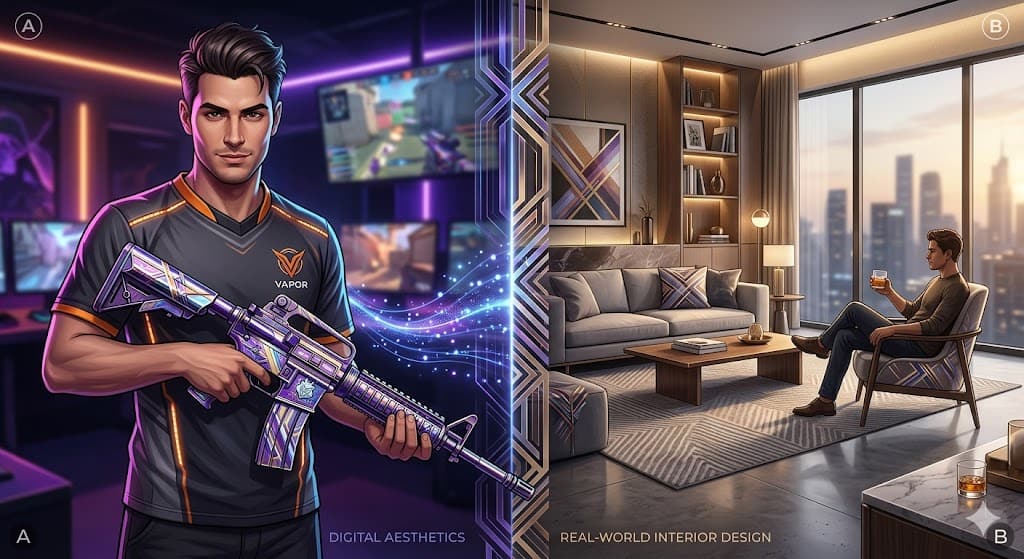
In competitive gaming, cosmetic customization has evolved into a major part of player culture. CS2 pro skins allow players to personalize their experience and communicate individuality within a highly competitive environment. Popular skins are often recognized for:
- Rare visual finishes
- Distinctive color combinations
- Limited availability
- Strong brand recognition within gaming communities
Players choose skins not purely for ownership but because appearance reflects personality and style. A sleek, minimalist weapon design might communicate professionalism, while bold and vibrant patterns project creativity and confidence.
This mirrors interior design, where homeowners carefully select furniture, artwork, and materials that reflect personal taste. Minimalist interiors communicate simplicity and control, while colorful, eclectic spaces often reflect energy and individuality. Both digital and physical design become tools for self-expression.
How Design Creates Perceived Value?
One of the strongest connections between CS2 skins and interior design is the concept of perceived value. Often, the monetary value of an object is influenced not only by function but by how attractive and well-designed it appears.
In CS2, certain weapon skins command high market prices despite having no effect on player performance. Their value is largely driven by aesthetics, rarity, and demand created through visual desirability.
The same principle applies in interior design. A room furnished with thoughtfully chosen materials, elegant lighting, and balanced spatial arrangement often feels more expensive, even when built using modest materials. Luxury is frequently communicated through design choices rather than raw cost. Factors influencing perceived value in both fields include:
- Visual uniqueness
- Attention to detail
- Color harmony and contrast
- Scarcity or exclusivity
Design transforms ordinary objects into highly valued experiences.
Experience Design Shapes Emotional Engagement
Design influences more than appearance, it shapes how people feel while interacting with an environment or product. This concept, often called experience design, is central to both gaming and architecture.
In Counter-Strike 2, visually appealing skins enhance player enjoyment by creating a more immersive and satisfying experience. Even though the gameplay mechanics remain unchanged, players often report stronger attachment to customized equipment because aesthetics improve emotional engagement.
Interior design follows the same principle. Well-designed spaces can influence mood, productivity, relaxation, and social interaction. Warm lighting creates comfort, open layouts improve flow, and thoughtful material selection affects how people connect with a space. In both cases, visual design transforms functional interaction into emotional experience.
Why Design Continues to Drive Modern Value Creation?
As digital and physical markets evolve, design is becoming one of the strongest drivers of consumer behavior. People increasingly value experiences that combine functionality with strong aesthetics.
Gaming companies understand this, which is why cosmetic marketplaces continue expanding around digital collectibles like CS2 skins. Likewise, interior designers focus not only on utility but on creating environments that feel intentional and visually cohesive.
The broader lesson is simple, people assign value to design because appearance influences emotion, identity, and experience.
Whether it is a rare digital skin inside a competitive match or a carefully designed living room that feels timeless and elegant, visual design shapes the way people interact with the world around them.
Creating Emotional Attachment through Design
CS2 pro skins and interior design may operate in entirely different industries, but both reveal the same truth about human behavior, visual design matters. It affects how people perceive value, communicate identity, and connect emotionally with products or spaces.
In gaming, skins transform digital items into status symbols and collectibles. In interior design, thoughtful aesthetics turn ordinary rooms into meaningful environments. Across both worlds, design is not merely decoration, it is a powerful force that shapes experience itself.