U.S. Department of Energy data shows that residential buildings account for roughly 21% of total energy consumption in the United States, making efficiency and infrastructure planning increasingly important for homeowners managing long-term property costs and reliability.
Large-scale energy infrastructure projects are often associated with industrial facilities, utility systems, and regional development plans. Yet many of the principles used in those projects can also apply to residential upgrades. Engineers working on power systems, facility modernization, and grid reliability frequently focus on planning, maintenance, risk reduction, and system coordination. Similar ideas can help homeowners avoid expensive mistakes during renovations or electrical improvements. Many property owners researching electrical panel upgrades from D&D and related residential modernization projects are increasingly examining how infrastructure-level thinking can improve safety, efficiency, and long-term property value.
Home improvement projects sometimes fail because upgrades are approached as isolated fixes instead of parts of a connected system. A homeowner may replace appliances without reviewing electrical load capacity, improve lighting without addressing aging wiring, or invest in solar panels without evaluating energy distribution inside the home. Energy infrastructure planning offers a more balanced approach by focusing on how systems work together over time.
1. Long-Term Thinking Prevents Costly Rework
One of the biggest lessons from energy infrastructure planning is the importance of designing for future needs instead of immediate convenience. Utility providers and industrial engineers often develop systems intended to operate efficiently for decades. Homeowners can benefit from applying the same mindset when planning renovations or electrical upgrades.
The National Association of Home Builders notes that many homeowners remain in their properties longer than previous generations. That trend changes how improvements should be evaluated. Short-term fixes may appear cheaper initially, but repeated modifications often increase overall expenses.
For example, adding new appliances, home office equipment, electric vehicle chargers, or climate control systems can increase electrical demand over time. Installing a properly sized panel during an earlier renovation may reduce the need for repeated service calls later. Research from Energy Star also indicates that integrated efficiency planning can lower utility costs while improving overall home performance.
Long-term thinking also supports adaptability. Homes designed with future electrical capacity, efficient insulation strategies, and accessible service areas are easier to maintain and upgrade as technology changes.
2. Preventive Maintenance Protects Infrastructure
Industrial energy facilities rely heavily on preventive maintenance because small failures can escalate into expensive disruptions. Residential systems may be smaller, but the principle remains the same. Waiting until visible damage appears often increases repair costs and safety risks.
The Electrical Safety Foundation International reports that electrical failures remain a leading cause of residential property fires. Many issues develop gradually through overloaded circuits, aging panels, deteriorating wiring, or neglected components.
Routine inspections can help identify warning signs before major failures occur. Flickering lights, tripped breakers, unusual odors near outlets, and inconsistent power distribution may indicate deeper electrical concerns. Preventive maintenance also extends beyond electrical systems. HVAC equipment, roofing materials, insulation, plumbing, and ventilation systems all influence energy performance and structural stability.
Infrastructure operators frequently schedule maintenance during low-risk periods to minimize operational disruption. Homeowners can use a similar strategy by performing seasonal inspections before extreme summer heat or winter demand increases system stress.
Small maintenance tasks often prevent larger expenses. Cleaning ventilation systems, tightening loose electrical connections, checking grounding systems, and monitoring energy usage patterns can improve efficiency while reducing long-term wear.
3. System Efficiency Matters More Than Individual Components
Energy infrastructure projects rarely focus on a single component in isolation. Engineers evaluate how generation, transmission, storage, and distribution systems interact. Residential improvements benefit from the same systems-based perspective.
Many homeowners pursue efficiency upgrades one step at a time. While replacing windows or appliances can help, the greatest benefits often come from coordinated improvements. The U.S. Department of Energy explains that whole-home energy strategies typically outperform isolated upgrades because every system affects overall consumption.
For example, efficient lighting reduces heat generation inside a home, which can also reduce air conditioning demand. Improved insulation decreases HVAC workload. Smart thermostats optimize energy use patterns, while upgraded electrical systems support safer load distribution.
System efficiency also involves balancing capacity and demand. Homes with outdated wiring or undersized electrical panels may struggle to support modern appliances safely. Energy-conscious planning evaluates how multiple upgrades work together instead of treating each project separately.
Research from Lawrence Berkeley National Laboratory suggests that coordinated residential efficiency measures can significantly improve building performance while lowering operational costs over time.
This broader perspective helps homeowners prioritize improvements more effectively. Instead of focusing only on visible cosmetic upgrades, infrastructure thinking encourages attention to hidden systems that influence long-term comfort, reliability, and energy consumption.
4. Risk Management Should Guide Every Upgrade
Risk management is a central principle in industrial energy operations. Engineers evaluate environmental conditions, equipment stress, operational hazards, and emergency response planning before implementing new systems. Homeowners can apply similar thinking during residential projects.
Electrical overloads, water intrusion, storm exposure, and outdated components can create significant safety concerns if ignored during renovations. The Federal Emergency Management Agency (FEMA) emphasizes that resilient infrastructure planning reduces vulnerability to weather-related damage and utility disruptions.
For homeowners, risk management starts with identifying weak points inside the property. Older homes may contain aluminum wiring, insufficient grounding, deteriorated breaker systems, or overloaded extension-based setups that no longer match current electrical demands.
Weather resilience also matters. Severe storms, flooding, and heat waves place additional strain on residential systems. Backup power strategies, surge protection, and upgraded electrical infrastructure can reduce the likelihood of extended outages or equipment damage.
Insurance considerations increasingly influence upgrade planning as well. Some insurers evaluate the condition of roofing, plumbing, and electrical systems when determining coverage terms or premiums. Addressing infrastructure vulnerabilities proactively may help reduce future repair complications.
Industrial planners often prioritize redundancy because backup systems improve reliability during emergencies. Residential examples may include battery storage, alternative heating options, or backup generators that support critical functions during outages.
5. Professional Coordination Improves Project Outcomes
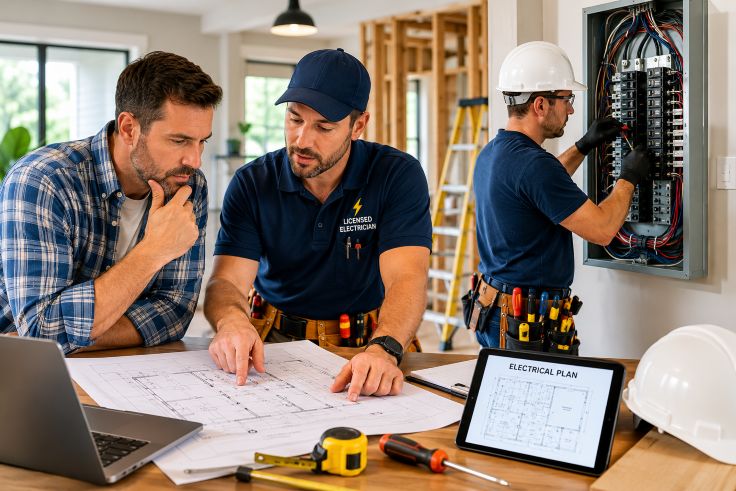
Large infrastructure projects depend on coordination between engineers, contractors, inspectors, and technical specialists. Residential upgrades also benefit from organized collaboration rather than fragmented decision-making.
Homeowners sometimes hire separate contractors without ensuring that systems are properly integrated. An HVAC installer, electrician, insulation contractor, and remodeling team may each focus on individual tasks while overlooking broader system interactions.
Professional coordination helps prevent these gaps. Experts such as local electricians serving the Main Line, energy consultants, and licensed contractors often evaluate how upgrades influence overall system performance, safety standards, and long-term reliability.
The National Fire Protection Association highlights the importance of compliance with updated electrical safety standards during renovation work. Professional oversight can help ensure that wiring, grounding, load calculations, and equipment installations meet modern code requirements.
Coordination also improves project sequencing. Completing insulation upgrades before HVAC sizing, for example, may improve efficiency calculations and reduce unnecessary equipment costs. Reviewing electrical capacity before installing major appliances or EV chargers can prevent overload conditions later.
Professional planning does not eliminate every challenge, but it often reduces miscommunication, scheduling conflicts, and avoidable corrective work.
READ ALSO: How Smart Interior Design Improves Efficiency in Small Nonprofits
Key Takeaways for Homeowners Planning Future Upgrades
Energy infrastructure projects operate on principles that extend well beyond industrial facilities and utility networks. Long-term planning, preventive maintenance, efficiency coordination, risk management, and professional collaboration all translate effectively into residential improvement strategies.
Homeowners who approach upgrades with infrastructure-level thinking may achieve better reliability, stronger safety performance, and more consistent long-term value from their investments. Modern homes increasingly depend on interconnected systems, especially as electrical demand continues growing through smart technology, remote work equipment, electric vehicles, and climate-control needs.
Residential modernization is rarely about a single repair or renovation. It involves understanding how systems interact and preparing homes for future conditions. Careful planning, coordinated electrical improvements, routine maintenance, and collaboration with experienced energy professionals can help homeowners make more informed decisions while reducing the likelihood of expensive future problems.
As energy demands evolve, many of the lessons guiding industrial infrastructure projects may become increasingly relevant at the residential level as well.