Bed bugs thrive in homes where they find plenty of tight, dark spots to hide during the day. These resilient pests often cluster near sleeping areas, making quick detection and control difficult when clutter piles up or furniture sits too close to walls.
Smart layout choices play a big role in successful bed bug treatment. Experts note that reducing hiding spots helps professionals reach every crack and crevice more effectively. National Pest Management Association data shows bed bugs turn up most often in homes and apartments, where clutter and tight spaces give them an edge.
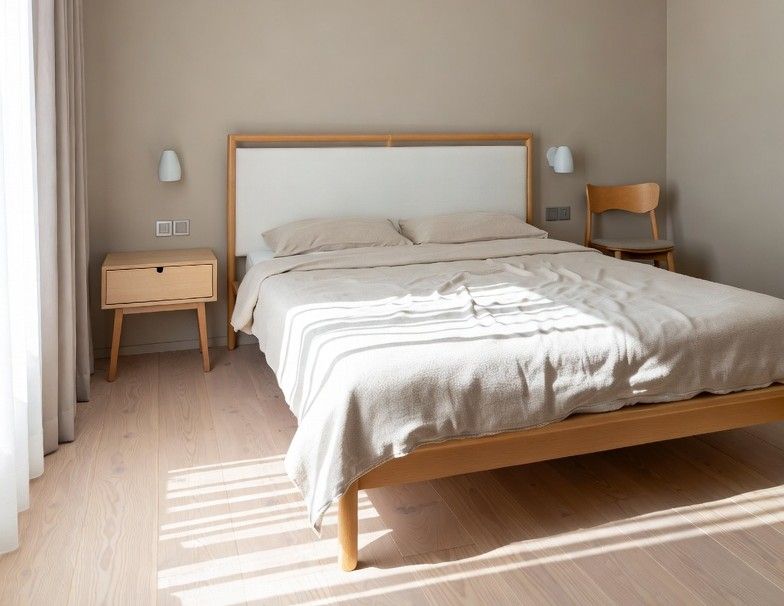
Start by taking a close look at your bedroom. Pull the bed away from the wall by at least 18 to 24 inches. This simple move creates a clear zone around the sleeping area that bed bugs must cross, making it easier to spot them and apply treatments. Many guides from the Environmental Protection Agency recommend this spacing so inspectors and technicians can access baseboards and treat behind furniture without obstacles.
Declutter to Cut Down Hiding Places
Clutter gives bed bugs countless places to hide and multiply. Stacks of clothes, boxes under the bed, or crowded nightstands turn your room into a safe haven for these pests. Research shows that homes with less clutter see better results from control efforts because technicians can find and treat more of the infestation in one go.
Begin in the bedroom. Sort through items on the floor and under the bed first. Bag up clothing and linens, then wash them in hot water and dry on high heat for at least 30 minutes. This kills any bugs or eggs hiding in the fabric. Vacuum carpets, baseboards, and furniture seams thoroughly afterward, emptying the vacuum outside right away.
Move on to other furniture. Empty dressers and nightstands completely. Wipe down the insides and check joints for signs of activity. Experts from university extension services advise storing cleaned items in sealed plastic bins rather than leaving them loose. Smooth plastic surfaces make it harder for bed bugs to climb or hide.
In living areas, keep the same approach. Reduce piles on couches or coffee tables. Vacuum upholstery deeply, paying attention to seams and folds. If you have books or decorative items nearby, consider moving them to sealed storage until the problem clears.
Space Furniture for Better Access
Furniture placement matters more than many people realize. When beds, dressers, or sofas sit flush against walls, bed bugs travel easily between hiding spots and feeding areas. Pull larger pieces at least 18 inches away from walls and other furniture. This gap lets air and treatment products circulate while giving you room to inspect regularly.
Choose simpler furniture when possible. Pieces with fewer seams, tufts, or ornate details offer fewer cracks for pests to settle in. Metal or smooth frames work better than heavily carved wood in high-risk situations. Mattress and box spring encasements in light colors also help by trapping any bugs inside and making new activity visible right away.
Seal cracks and crevices around baseboards, outlets, and wall trim with caulk. This step eliminates many small hiding spots and forces surviving bugs into the open where treatments work best. The EPA highlights sealing as a key way to reduce harborages and improve overall control.
Follow These Actionable Steps Right Away
Putting these layout and preparation ideas into practice is easier than it sounds. By tackling one area at a time, you can quickly reduce hiding spots and create an environment where professional bed bug control works much more effectively. Drawing on smart interior design choices can help you minimize clutter and make your space less inviting to these pests. Here are the key steps you can start today:
- Step 1: Clear the floor and areas within six to eight feet of beds. Remove everything that is not essential.
- Step 2: Launder all bedding, curtains, and clothing in hot water, then dry on high heat.
- Step 3: Vacuum every surface, including under and behind furniture. Dispose of the vacuum contents outside immediately.
- Step 4: Move beds and large furniture away from walls and each other by at least 18 inches.
- Step 5: Seal cracks in walls, floors, and furniture joints. Install interceptors under bed legs to trap climbing bugs.
- Step 6: Keep the space tidy going forward. Regular vacuuming and quick cleanup prevent new hiding spots from forming.
These changes do more than help during an active issue. They make future prevention easier and support long-term success when combined with professional help.
Heat treatments, steam, and targeted products reach more areas in an open, decluttered space. Data indicates that clutter blocks airflow during heat applications and hides eggs or adults that might survive otherwise. By creating open pathways and fewer harborages, homeowners help ensure treatments hit every life stage effectively.
Why These Choices Lead to Better Outcomes
Bed bugs hide in tiny spaces within a few feet of where people sleep. When rooms stay cluttered or crowded, inspections miss spots and treatments leave survivors behind. Studies from pest management researchers confirm that preparation steps like decluttering and spacing furniture raise the chances of complete elimination in fewer visits.
Homeowners who prepare well often notice signs earlier because nothing blocks their view. They also avoid spreading pests to other rooms since fewer items carry hidden hitchhikers. This thoughtful approach turns a stressful situation into one that resolves faster and stays under control.
Start small today. Pick one room, clear the clutter, and create that breathing space around the bed. You will see the difference in how easily you can monitor and maintain a peaceful home. With these layout adjustments and prompt professional support when needed, you can reclaim your space from unwanted visitors and enjoy restful nights once again.
Effective pest management relies on teamwork between homeowners and experts. Simple changes in how you arrange and maintain your living areas make a real difference in controlling bed bug infestations and preventing them from returning. By keeping spaces open and tidy, you limit opportunities for these pests to settle in and thrive.